Why Your Hands and Wrists Hurt After Spin Class
Quick Answer: Your hands should carry almost no weight on an indoor bike. Hand pain, wrist ache, and numb fingers mean too much body weight is loading your arms — usually because the handlebars are too low or too far forward, your core is not holding your torso, or you are gripping hard. Numbness in the ring and little fingers specifically points to nerve compression at the base of the palm, which is a positioning problem with a real fix.
You came for a leg workout and your hands are the thing that hurt afterward. That is information, and it is telling you something specific.
Where should your weight actually be?
Almost entirely on the saddle and the pedals. Your hands are for steering the bike you are not steering.
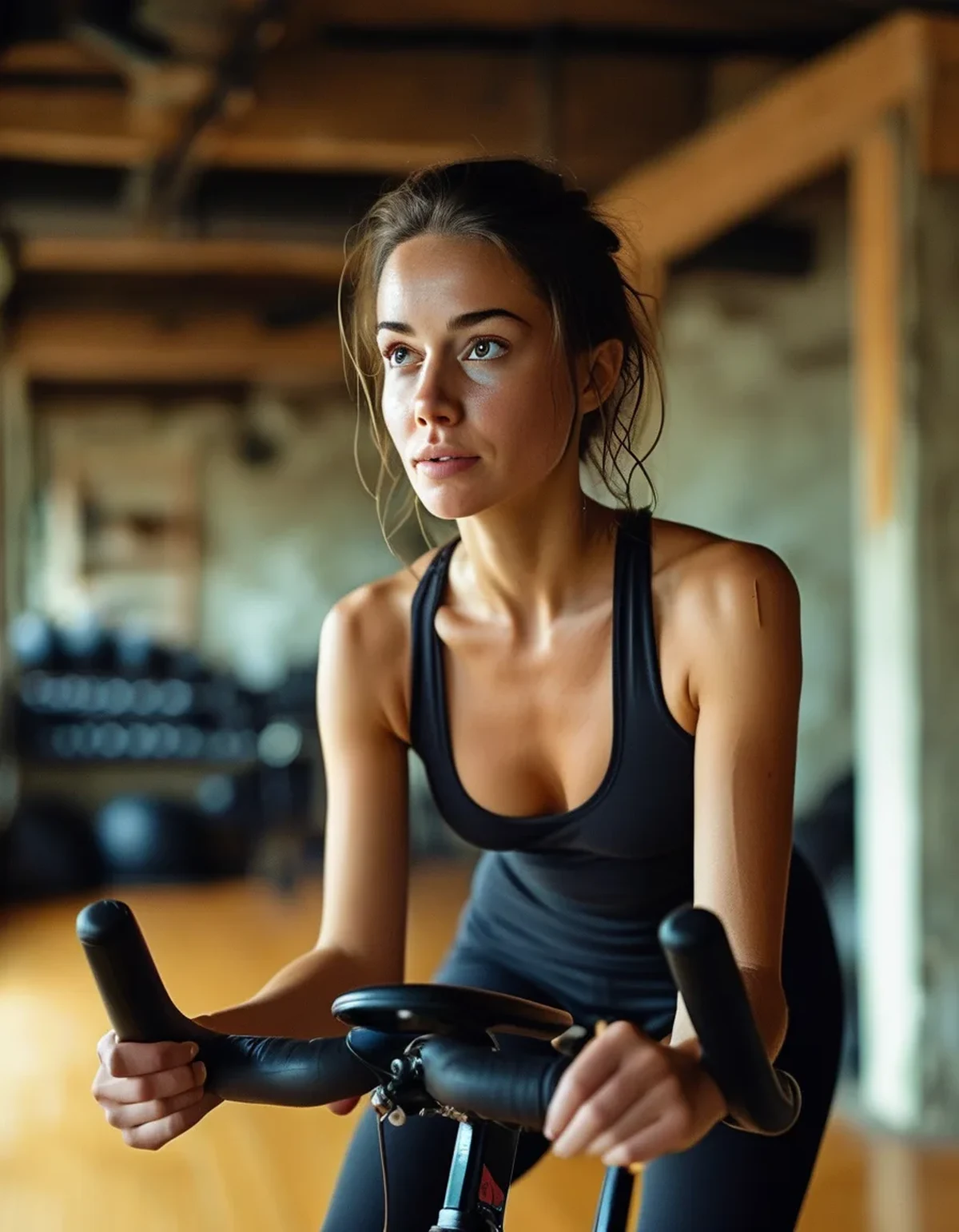
On a properly set up indoor bike, your hands rest on the bars for balance and position, not for support. The load path runs through your feet into the pedals and through your sit bones into the saddle, and your core holds your torso up in between.
The quick test takes two seconds and you can do it mid-class: lift both hands an inch off the bars while pedaling seated. If your torso drops or you lurch forward, your arms were holding you up. If nothing much happens, your setup is fine.
When weight does go through your hands, it concentrates in a small area at the base of the palm. That is where the ulnar nerve passes through a narrow channel and where the median nerve runs into the carpal tunnel, and sustained pressure on either produces exactly the symptoms people report.
The pattern tells you which:
- Numbness or tingling in the ring and little fingers: ulnar nerve, from pressure on the outer base of the palm. This is the classic cycling one and it has a name — handlebar palsy.
- Numbness in the thumb, index, and middle fingers: median nerve, carpal tunnel side.
- General aching across the wrist: usually an extension angle problem rather than a nerve one.
All three come from the same root cause and respond to the same fixes.
What in your setup is causing it?
Four things, and handlebar height is the biggest.
Handlebars too low. This is the most common cause by a wide margin. Low bars tip your torso forward and transfer weight onto your hands. Studio bikes get adjusted by whoever used them last, and nobody puts them back. Check them every single class.
Saddle too far forward or too high relative to the bars. A saddle pushed forward shifts your center of mass over your hands. A saddle much higher than the bars does the same thing by tilting you down toward them.
Reach too long. If the bars are too far away, you stretch to reach them, which straightens your arms and locks your elbows. Locked elbows transmit every bump and every pedal stroke straight into your wrists with nothing absorbing it.
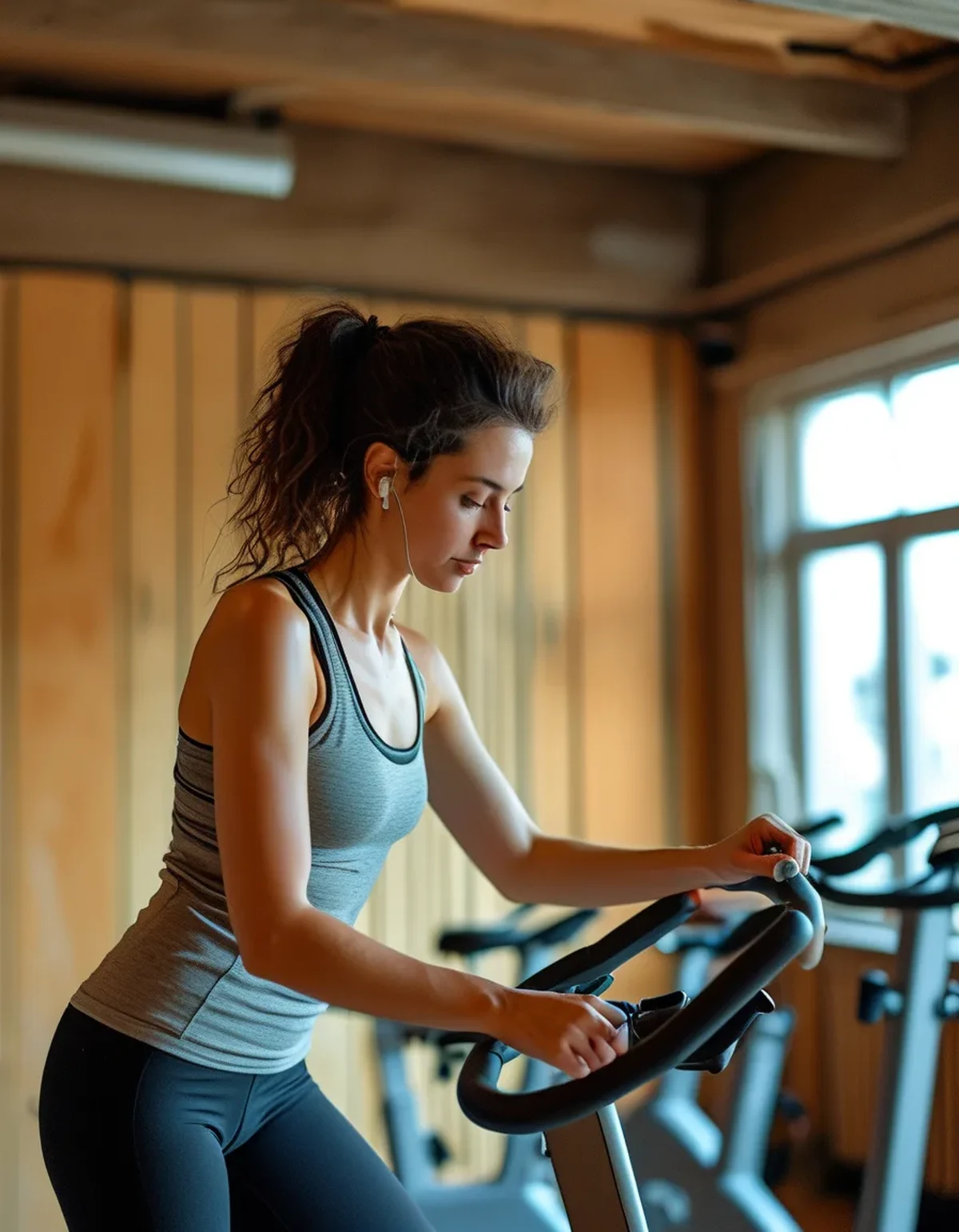
Wrists bent back. Look down at your hands during class. Your wrist should be roughly straight, in line with your forearm. A wrist bent backward compresses the carpal tunnel directly, and many people ride with a substantial extension angle without ever noticing.
The starting reference points:
- Saddle height: hip level when standing beside the bike, with a slight knee bend at the bottom of the pedal stroke
- Handlebar height: at or above saddle height for most riders, especially anyone new or with any back or wrist history
- Reach: elbows slightly bent, shoulders relaxed, not stretched forward
Set them up before class starts. Adjusting a bike in the dark during the warmup is how people end up riding a compromise for forty-five minutes.
Is it your core rather than your bike?
Often partly, and it shows up in a specific pattern.
If your setup is right and your hands still hurt, the likely story is that your core fatigues partway through class and your arms take over. The tell is timing: fine for the first fifteen minutes, hands aching by minute thirty. A pure setup problem hurts from the beginning.
What is happening is that your trunk muscles stop holding your torso, you sink forward, and your weight arrives at your hands by default. You never decide to do this.
The other version is grip tension. Many people grip the bars hard during hard efforts — it is a natural response to exertion and it does nothing useful on a bike that does not steer. Squeezing hard both compresses the nerves directly and fatigues your forearms, which then makes you grip harder still.
The fixes during class:
- Check your grip every few minutes. Fingers resting, not wrapped tight. You should be able to lift your fingers off the bars without changing anything.
- Change hand position regularly, at least every few minutes. Different positions load different parts of the palm, and rotating through them prevents any one spot from taking sustained pressure.
- Shake out one hand at a time during easier sections.
- Think about pushing your chest slightly forward and up rather than collapsing down — that re-engages the trunk and lifts weight off your hands immediately.
And outside class: the actual capacity fix is trunk work. Planks, dead bugs, and any anti-rotation exercise, a couple of times a week, is what lets you hold position for a full class.
5 Mistakes That Make Hand Pain Worse
1. Riding in the aero or forearm position for long stretches. Resting on your forearms puts direct sustained pressure on the ulnar nerve at the elbow as well as loading the wrists. It is fine briefly and problematic for a whole song. Many instructors cue it heavily; you are allowed to opt out.
2. Leaning on the bars during standing climbs. A standing climb should be driven by your legs with your hands lightly guiding. Hanging your upper body weight on the bars during a heavy climb is the single highest-pressure moment in the class, and it is when most people first notice the numbness.
3. Wearing a tight watch or fitness tracker. A band that is snug at rest becomes tight when your hands swell during exercise, and it sits directly over the wrist structures. Loosen it a notch before class or move it up your forearm.
4. Ignoring numbness because it goes away. Transient numbness that resolves in minutes is a warning rather than an event. Repeated nerve compression over months can produce symptoms that persist, and it is much easier to fix the setup now than to treat the nerve later.
5. Assuming gloves will solve it. Padded gloves help distribute pressure and are worth having if you ride a lot, but they are treating the symptom. If your setup is putting your body weight on your hands, padding just changes how it feels while it happens. Fix the bike first, then add gloves if you still want them.
What if it does not go away?
Escalate in order, and take persistent numbness seriously.
First, verify the setup with someone who knows. Ask an instructor before class — most are happy to check it and will spot in thirty seconds what you have been guessing at for weeks. Write your numbers down once they are right: saddle height, saddle fore-aft, bar height. Then you can set up any bike in the studio in twenty seconds.
Second, try a different bike. Studio bikes vary, and some have handlebar shapes or minimum heights that simply do not suit shorter arms or certain torso proportions. If one bike in the room is consistently worse for you, use a different one rather than assuming it is you.
Third, adjust your class selection. Classes with long forward-leaning sections, extended aero positions, or heavy choreography load the hands far more than a straightforward endurance ride. This is a legitimate reason to prefer one instructor over another.
Fourth, see someone if it persists. Numbness that lasts beyond the class, happens outside of cycling, wakes you at night, or comes with weakness or clumsiness in the hand is worth a professional assessment. Persistent nerve compression is treatable and it is much better addressed early. A physical therapist or your doctor is the right call, and there are non-cycling causes worth ruling out. This is general information, not medical advice.
And in the meantime, you can ride around it. Higher bars, lighter grip, more frequent hand position changes, and skipping the forearm sections lets most people keep training while the setup gets sorted out.
FAQ: Spin Hand Pain Questions, Answered
Should the handlebars be higher than the saddle?
For most people in an indoor class, yes — at or slightly above saddle height. The aggressive low-bar position on a road bike is for aerodynamics at speed, which is irrelevant indoors. Higher bars mean less weight on your hands, a more open hip angle, and a more comfortable back, and there is no performance cost in a studio.
Do padded gloves actually help?
They help by spreading pressure over a wider area, which genuinely reduces peak load on the nerves. They are a good addition to a correct setup and a poor substitute for one. If gloves are the only thing standing between you and numb fingers, your bike is still wrong.
Why does it only happen in longer classes?
Because it is cumulative in two ways: nerve compression symptoms build with sustained pressure, and your core fatigues over time, which progressively shifts more weight forward onto your hands. The forty-five minute class and the thirty minute class are not the same load on your wrists.
TL;DR:
- Your hands should carry almost no weight — lift them an inch mid-pedal and see whether your torso drops
- Handlebars too low is the most common cause; set them at or above saddle height
- Numb ring and little fingers means ulnar nerve pressure at the base of the palm
- Grip lightly, change hand positions every few minutes, and skip the long forearm sections
- Persistent numbness outside class deserves a professional look
Write your bike numbers down once and set them before every class. It takes twenty seconds and it fixes a problem most people spend months assuming is just part of spinning.
Keep Reading
This article is for general informational and styling purposes only. Fit, sizing, and product availability may vary.