Is Your Spin Bike Resistance Knob Letting You Cheat Without Knowing It?
Quick Answer: Spinning fast with low resistance feels intense because of leg turnover speed, but it under-trains your muscles compared to moderate resistance at a controlled cadence — checking resistance level, not just speed, gives a more honest workout.
Your legs are flying, your heart rate is up, and it still feels like you’re not really working. That’s the resistance knob talking.
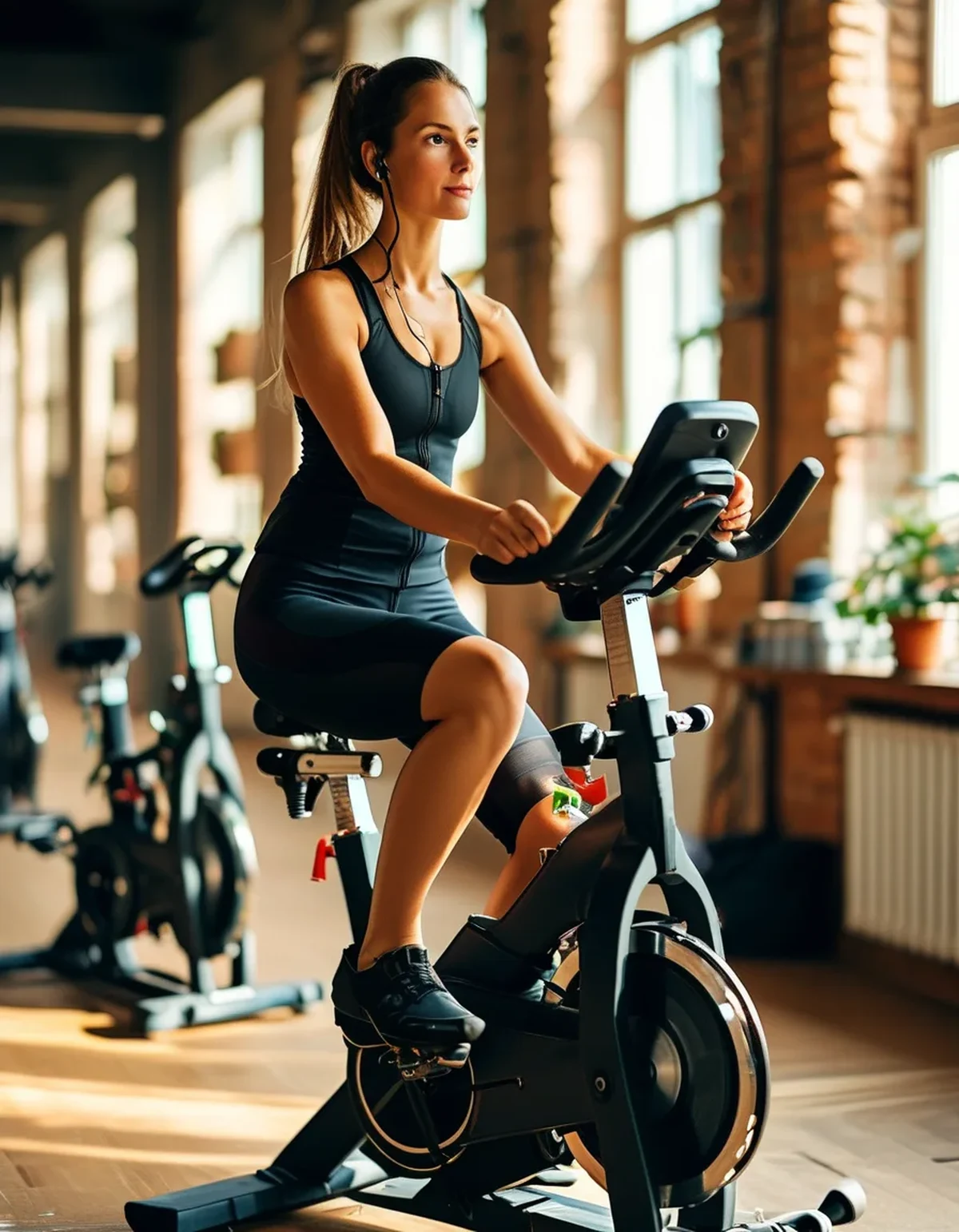
Why does low resistance with fast pedaling feel hard but train less?
High cadence with low resistance raises heart rate through sheer leg turnover speed, which creates a real cardio sensation, but it doesn’t load the muscles the way moderate-to-higher resistance does. This means you can leave a class drenched in sweat and still have done comparatively little actual strength-building work in your legs.
How do you know if your resistance is too low?
A simple check: at your current resistance level, can you comfortably pedal above 100-110 RPM without your form breaking down or your seat bouncing? If yes, resistance is likely too low for that cadence, since proper resistance should make sustaining a high cadence noticeably effortful, not easy.
Does the instructor’s resistance cues actually match the dial?
Not always precisely, since bike calibration varies between manufacturers and even between individual bikes in the same studio. Rather than blindly following an instructor’s suggested numbered resistance, using perceived effort (RPE) alongside the dial gives a more reliable read on whether you’re actually working at the intended intensity.

What’s a better way to structure resistance during a ride?
Alternating between moderate-resistance climbs (challenging enough to slow your cadence to 60-80 RPM) and lower-resistance recovery flats gives you both strength stimulus and cardio benefit within the same ride, rather than staying at one extreme the whole time. This mirrors how outdoor cycling naturally varies terrain and effort.
Myth vs Fact: Higher cadence always means a harder workout
Myth: spinning your legs faster is inherently more effective. Fact: cadence and resistance need to be balanced together — extremely high cadence at very low resistance can actually reduce workout quality by turning a strength-cardio hybrid exercise into mostly just a cardio-only movement pattern.
FAQ: Spin Bike Resistance Questions, Answered
How much resistance should beginners start with?
Enough that pedaling at a moderate cadence (70-90 RPM) feels like genuine effort by the end of a song, rather than something you could sustain indefinitely without fatigue.
Does more resistance mean more calories burned?
Not always directly, but appropriate resistance combined with steady cadence typically produces a more balanced calorie burn and muscle engagement than extreme cadence with minimal resistance.
Should resistance change during intervals?
Yes, deliberately varying resistance during structured intervals is one of the most effective ways to train both cardio capacity and leg strength within the same ride.
TL;DR:
- Low resistance with fast pedaling feels hard but under-trains your muscles
- Check whether you can hold high cadence too easily — that signals resistance is too low
- Use perceived effort alongside the dial, not just instructor cues
- Alternate moderate-resistance climbs with lighter recovery segments
Next ride, glance at your resistance level as often as your speed — it’s the number quietly determining how much you actually get out of the workout.
Keep Reading
This article is for general informational and styling purposes only. Fit, sizing, and product availability may vary.