Clip-In Shoes vs. Toe Cages for Spin Class: Which Actually Matters More?
Quick Answer: Toe cages work fine for casual or occasional spin classes and let you wear regular sneakers. Clip-in shoes improve pedal efficiency by engaging the upstroke, not just the downstroke, and are worth it once you’re attending 2+ times a week — the efficiency gain compounds with frequency.
You show up to your first spin class and see half the room clicking into their pedals with special shoes, and you’re standing there in sneakers wondering if you’re already behind. You’re not — but the two options genuinely feel and perform differently once you know what to look for.
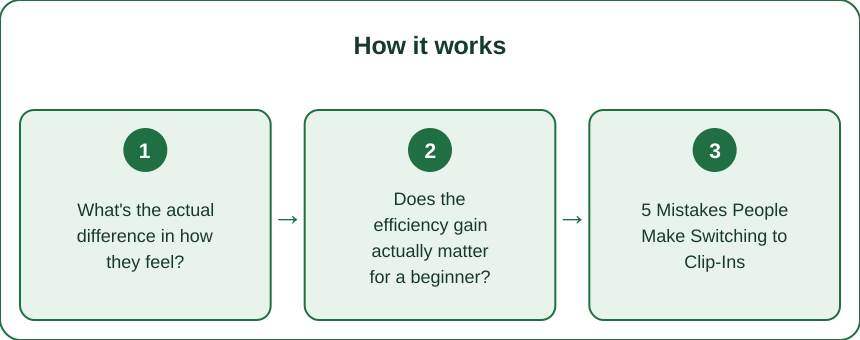
What’s the actual difference in how they feel?
Toe cages hold your regular shoe loosely in a strap — your foot can slide slightly and you’re mostly powering the downstroke only, since there’s no secure connection to pull up on.
Clip-in shoes lock your cleat directly to the pedal, letting you engage the upstroke too — effectively doubling the portion of each pedal rotation where your legs are doing useful work. This is the main efficiency gain, not just feel.
Does the efficiency gain actually matter for a beginner?
Less than the marketing suggests, honestly. For your first several classes, the stability and confidence of a secure connection matters more than efficiency gains you won’t yet have the pedaling technique to exploit anyway.
Most instructors recommend starting in cages or class-provided clip-in loaner shoes, and switching to your own clip-ins once you’re attending consistently enough (roughly 2+ times weekly) that the investment pays off in comfort and technique, not just performance.
5 Mistakes People Make Switching to Clip-Ins
1. Buying shoes before confirming pedal compatibility — studios use different cleat systems (SPD vs. Delta/Look), and your shoes need to match the studio’s pedals.
2. Clipping in too tight on the first ride. Start with looser tension so unclipping is easy while you build the reflex.
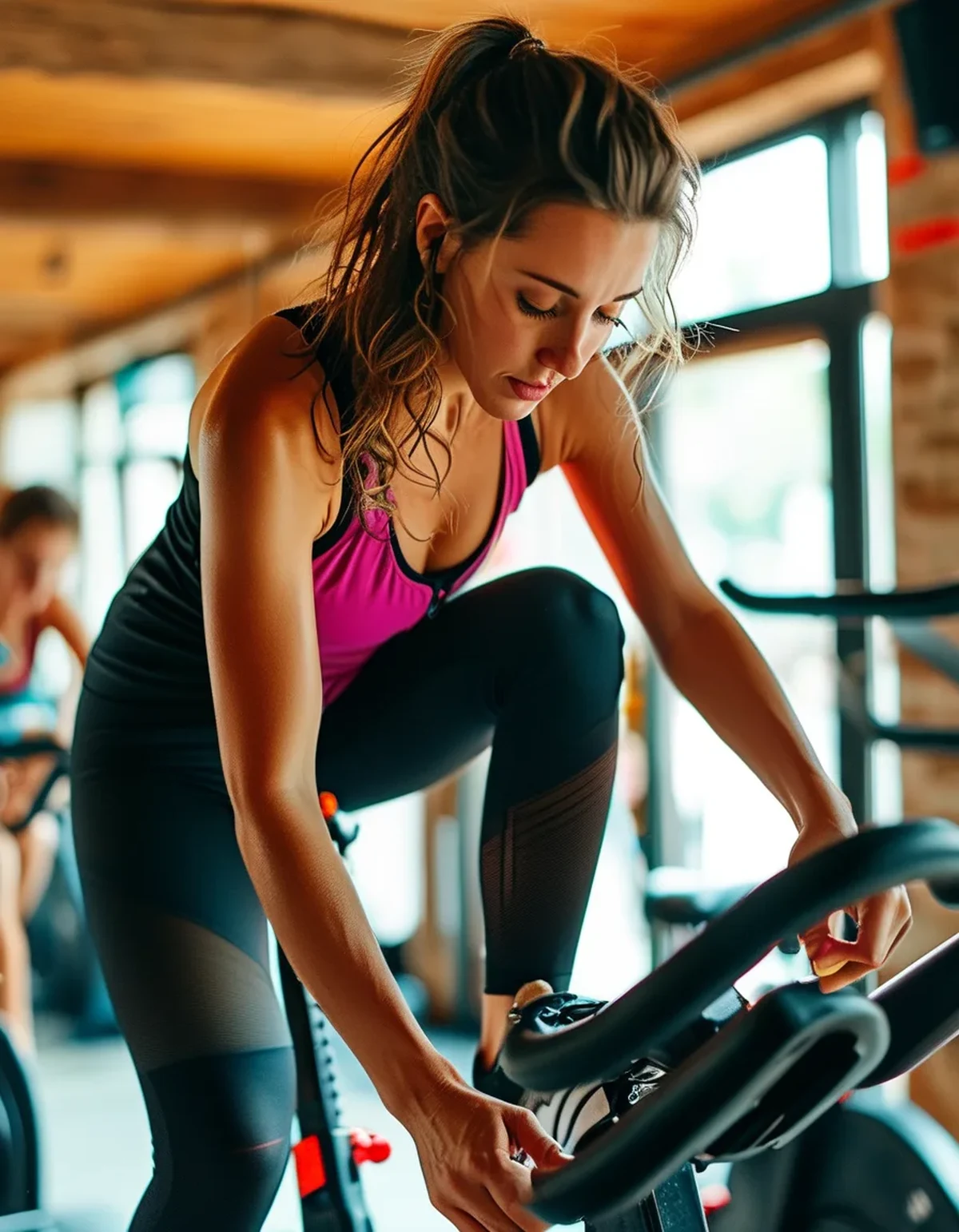
3. Forgetting to practice unclipping before class starts. Do it standing still 5-10 times before the ride begins.
4. Ignoring cleat position. Cleats set too far forward or back cause knee strain — get a basic fit check, don’t eyeball it.
5. Panicking at a stop instead of unclipping early. Anticipate stops and unclip a few seconds ahead, not at the last second.
What about cost and practicality?
Cages: $0 extra if the bike has them, works with any sneaker. Clip-ins: $60-150 for shoes plus checking your home/studio bikes use compatible cleats. If you spin at multiple studios, confirm they use the same pedal system before buying — mismatched systems make your investment useless at certain locations.
For most people trying spin for the first time, starting with cages and deciding after 4-6 classes whether the habit sticks is the lower-risk path.
FAQ: Spin Pedal Questions, Answered
Are clip-in shoes worth it for occasional spin classes?
Probably not — the efficiency and comfort gains show up most for people riding consistently. Occasional riders rarely recoup the cost and hassle in benefit.
Is it harder to fall with clip-in pedals?
Slightly higher risk at a dead stop until unclipping becomes reflexive, usually within the first 2-3 rides. Practicing the unclip motion beforehand largely eliminates this.
Can I use my regular running shoes with clip-in pedals?
No — clip-in pedals require shoes with a compatible cleat bolted to the sole. Running shoes work with cages, not clip-ins.
TL;DR:
- Cages work fine for occasional riders and regular sneakers; clip-ins engage the upstroke for real efficiency gains
- Clip-ins pay off once you’re riding 2+ times weekly, not for your first few classes
- Confirm cleat compatibility (SPD vs. Delta/Look) before buying shoes
- Practice unclipping standing still before your first clipped-in ride
Start in cages, decide after a month whether spin is a habit — then invest in clip-ins once the frequency actually justifies it.
Keep Reading
This article is for general informational and styling purposes only. Fit, sizing, and product availability may vary.